あなたは「好きだ!」と思ったお酒と出遭った時に、それを教えたくなる人ですか? それとも教えたくない人ですか? ここでは今週の新着酒の中から、40年の日本酒歴を持つ店主が「教えたくなる1本」として取り上げてご紹介しています。
When you discover a sake you truly love, are you the type of person who wants to share that discovery with others, or do you prefer to keep it to yourself? Here, we highlight a bottle from this week’s new arrivals—one that the shop owner, with 40 years of experience in the world of sake, feels compelled to share.
新政とのコラボ酒「産土 神宴 改良信交 二農醸」
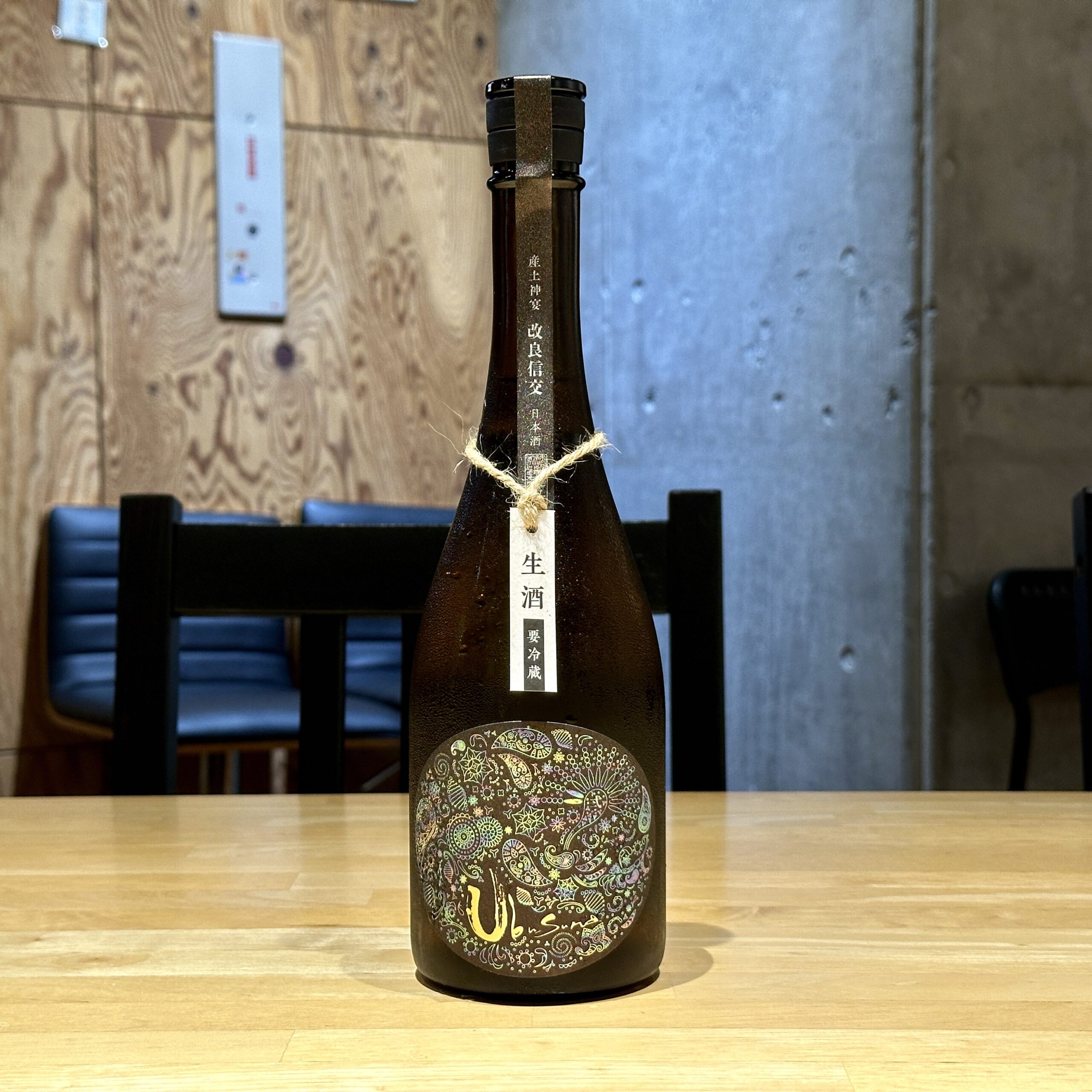
[ 産土 神宴 改良信交 二農醸 ]
秋の長雨にはホント、困らされています。このままではおいしい酒倶楽部はなくなってしまうかもと、ネガティブなことばかり考えている今井です。
・
今回のお酒は「令和8年熊本地震」がなければ蔵開きに使われていただろうことが十二分に窺える、新政酒造とのコラボ酒です。
・
秋田県産米の一翼を担う「改良信交米」を新政酒造から調達して、栽培を手懸けていくためのパイロット米として醸したもので、今回は秋田県から調達したこともあり、「生酛仕込み」「木桶仕込み」の二階位が適応。結果、「二農醸」となっています。
・
その味わいは間違いなく、花の香酒造の「産土」です。味わいの系譜は新政でもありますが、「産土」の(熊本9号酵母由来の)香りの良さ、静かな膨らみと微炭酸、喉切れの良さ、返り香の繊細さと表現されており、飲み手を魅了すること間違いないでしょう。
・
ただ、気になることがあります。この先、地元で栽培された時にどの味になるのか。今回の味を進化させることでしょうが、農醸階位の違いをどうつけるのか、そこです。
・
酒造りに魅入られた男たちが醸す「産土」であり、「新政」であり、魅力は尽きないことでしょう。飲み手も大いに楽しませていただければと思います。[2026.09.29]
秋の長雨にはホント、困らされています。このままではおいしい酒倶楽部はなくなってしまうかもと、ネガティブなことばかり考えている今井です。
・
今回のお酒は「令和8年熊本地震」がなければ蔵開きに使われていただろうことが十二分に窺える、新政酒造とのコラボ酒です。
・
秋田県産米の一翼を担う「改良信交米」を新政酒造から調達して、栽培を手懸けていくためのパイロット米として醸したもので、今回は秋田県から調達したこともあり、「生酛仕込み」「木桶仕込み」の二階位が適応。結果、「二農醸」となっています。
・
その味わいは間違いなく、花の香酒造の「産土」です。味わいの系譜は新政でもありますが、「産土」の(熊本9号酵母由来の)香りの良さ、静かな膨らみと微炭酸、喉切れの良さ、返り香の繊細さと表現されており、飲み手を魅了すること間違いないでしょう。
・
ただ、気になることがあります。この先、地元で栽培された時にどの味になるのか。今回の味を進化させることでしょうが、農醸階位の違いをどうつけるのか、そこです。
・
酒造りに魅入られた男たちが醸す「産土」であり、「新政」であり、魅力は尽きないことでしょう。飲み手も大いに楽しませていただければと思います。[2026.09.29]
花の香酒造(熊本県玉名郡和水町;Nagomi Town, Tamana District, Kumamoto Pref.)
[ Ubusuna Shin-en – Kairyo Shinko – Ni-no-Jo ]
The long autumn rains have really been a struggle. I find myself dwelling on negative thoughts—wondering if the “Oishii Sake Club” might cease to exist if things go on like this.
・
The sake featured this time is a collaboration with Aramasa Shuzo; it is clear that, had the Kumamoto earthquake not occurred, this batch would have been used for the brewery’s open-house event.
・
It was brewed using “Kairyo Shinko” rice—a key variety in Akita Prefecture—procured from Aramasa Shuzo as a pilot batch to establish its cultivation. Because the rice was sourced from Akita, it qualifies for two classification tiers: “Kimoto-jikomi” (traditional yeast starter method) and “Kioke-jikomi” (wooden vat fermentation). Consequently, it is designated as “Ni-no-Jo” (Second Agricultural Brewing Tier).
・
The flavor profile is unmistakably that of Hananoka Shuzo’s “Ubusuna.” While it shares a lineage with Aramasa’s style, it embodies the signature qualities of “Ubusuna”—an aroma derived from Kumamoto No. 9 yeast, a quiet expansion of flavor accompanied by gentle effervescence, a crisp finish, and a delicate lingering after-aroma. It is sure to captivate anyone who drinks it.
・
However, one question remains: how will the flavor evolve when the rice is eventually cultivated locally? While the taste will likely advance, the real point of interest is how the “agricultural brewing tier” classification will be determined in that future scenario.
・
“Ubusuna” and “Aramasa”—sakes crafted by men utterly captivated by the art of brewing—offer an endless array of charms. I hope drinkers will thoroughly enjoy this experience.[2026.09.29]
The long autumn rains have really been a struggle. I find myself dwelling on negative thoughts—wondering if the “Oishii Sake Club” might cease to exist if things go on like this.
・
The sake featured this time is a collaboration with Aramasa Shuzo; it is clear that, had the Kumamoto earthquake not occurred, this batch would have been used for the brewery’s open-house event.
・
It was brewed using “Kairyo Shinko” rice—a key variety in Akita Prefecture—procured from Aramasa Shuzo as a pilot batch to establish its cultivation. Because the rice was sourced from Akita, it qualifies for two classification tiers: “Kimoto-jikomi” (traditional yeast starter method) and “Kioke-jikomi” (wooden vat fermentation). Consequently, it is designated as “Ni-no-Jo” (Second Agricultural Brewing Tier).
・
The flavor profile is unmistakably that of Hananoka Shuzo’s “Ubusuna.” While it shares a lineage with Aramasa’s style, it embodies the signature qualities of “Ubusuna”—an aroma derived from Kumamoto No. 9 yeast, a quiet expansion of flavor accompanied by gentle effervescence, a crisp finish, and a delicate lingering after-aroma. It is sure to captivate anyone who drinks it.
・
However, one question remains: how will the flavor evolve when the rice is eventually cultivated locally? While the taste will likely advance, the real point of interest is how the “agricultural brewing tier” classification will be determined in that future scenario.
・
“Ubusuna” and “Aramasa”—sakes crafted by men utterly captivated by the art of brewing—offer an endless array of charms. I hope drinkers will thoroughly enjoy this experience.[2026.09.29]
#おいしい酒倶楽部 #産土 #花の香酒造 #改良信交米 #二農醸 #熊本9号酵母 #熊本酒 #Delicious_Sake_Club #hananoka_brewery #ubusuna #kairyou_shinko_rice #2_no_jo #no_9_yeast #kumamoto_sake